

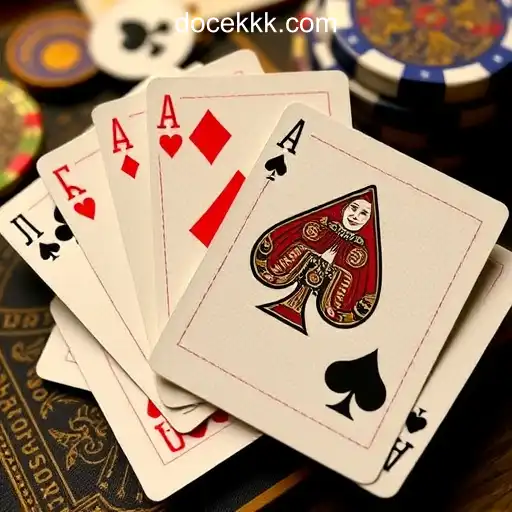

Card games have been a staple of entertainment and strategy for centuries. From ancient times to the modern era, they have evolved and adapted to become a significant part of various cultures around the globe. As we dive into the world of card games, it becomes clear why they continue to capture the interest of players of all ages.
Card games have a rich history that spans continents and centuries. Originating in Asia, specifically China, around the 9th century, these games slowly migrated to Persia and later to Europe in the 14th century. With each migration, local nuances added distinctive elements to the games, which allowed them to evolve into various forms such as Poker, Bridge, and Baccarat.
During the Renaissance, card games became a popular pastime among European aristocrats. The designs and symbols used in European cards today often reflect this period’s elaborate and artistic flair. Understanding the historical context of card games provides rich insights into why they remain prevalent in modern society.
Card games are diverse, but they generally follow a few structural elements that define their gameplay. Typically, card games involve a deck of cards, rules for card distribution, rounds of play, and specific winning conditions. Whether it’s a game of chance, skill, or a mixture of both, the appeal lies in its strategic depth and the challenge it presents to players.
Standard decks usually contain 52 cards divided into four suits: hearts, diamonds, clubs, and spades. However, variations exist worldwide. Some games make use of additional cards, while others may have fewer than the standard deck. Understanding the basic structure of card games provides a foundation for delving deeper into individual game types.
Poker is arguably one of the most well-known card games, with its rich strategic element and potential for large monetary reward. It combines elements of gambling, strategy, and skill. Popular variants include Texas Hold’em, Omaha, and Seven-Card Stud, each offering a unique twist on the basic poker rules.
The popularity of poker has surged with the rise of online platforms, enabling players worldwide to compete against each other. This global accessibility has turned poker into not only a popular game but also a widely recognized sport.
Bridge is a game of partnership and communication, often considered one of the most strategically demanding card games. Played with a standard deck of 52 cards, it requires players to bid for the contract they intend to win, followed by trick-taking play.
This game has a loyal following and extensive competitive scene, with tournaments held regularly on an international scale. Bridge challenges players to develop strategies and improve communication with their partners, making it a mentally stimulating game.
Solitaire, primarily a single-player game, is perfect for those seeking to challenge themselves without needing a partner or group. The goal is to arrange all cards in a predefined order. Variants like Klondike, Spider, and Freecell offer different challenges, contributing to Solitaire’s lasting appeal.
Digital technology has transformed card games, enhancing accessibility and innovation. Platforms such as DOCEKK.COM Oficial Slots Brasil #1 have played a substantial role in this transformation, offering players varied options, from slots to traditional card games. This transition to the digital medium has introduced card games to a broader audience and allowed enthusiasts to connect globally.
Online card games often come with interactive elements, vibrant graphics, and social interactivity, enhancing the traditional gaming experience. Furthermore, digital platforms offer the advantage of learning and strategizing through tutorials and practice games, catering to a wide range of skill levels.
Card games have always been more than just a pastime. They are cultural artifacts, reflecting the societies in which they evolve. For instance, the intricate designs and symbols on the cards mirror political and social contexts of different eras.
Many cultures have adopted card games into their holiday traditions and family gatherings, making them integral to social bonding. The capacity for educational benefits such as enhancing cognitive skills, improving memory, and developing strategic thinking has further cemented card games as a valuable social tool.
At the heart of many card games lies a deep strategic element that challenges players to think critically, forecast outcomes, and adapt to opponents’ strategies. This mental exercise makes card games not only entertaining but also intellectually enriching.
Games like poker and bridge require players to constantly assess risk and develop psychological insights, honing their decision-making skills. This strategic complexity is a major reason card games are analyzed and studied extensively worldwide.
Card games have demonstrated a remarkable ability to adapt and thrive through the ages. While technology provides new mediums for these games, their fundamental appeal remains unchanged. With platforms like DOCEKK.COM Oficial Slots Brasil #1 pushing the boundaries, the card game universe continues to captivate the minds and hearts of enthusiasts globally.

Discover the captivating world of JungleParty, the leading slot game in Brazil, available on DOCEKK.COM. Dive into the game's vibrant theme, engaging features, and learn how to navigate the action-packed gameplay.
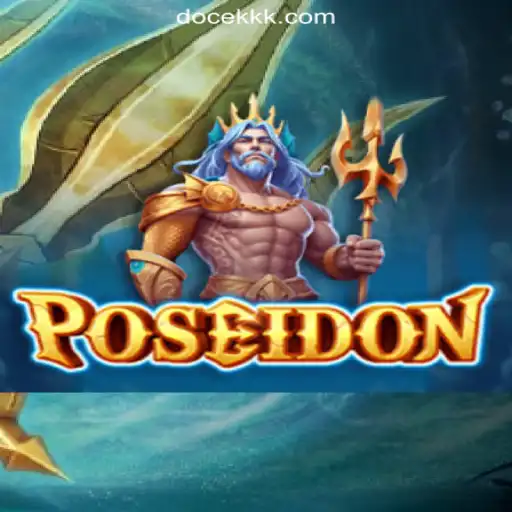
Explore the immersive world of 'Poseidon' slots, offered by DOCEKK.COM, the leading online casino platform in Brazil. Dive into ancient Greek mythology and unleash the power of the sea.

Delve into WinterStarBonusBuy, an enthralling casino slot game and a popular choice among players at DOCEKK.COM, the #1 Official Slots in Brazil. Learn the game's features, rules, and significance.

Explore the captivating world of MidnightShow, an exhilarating game brought to you by DOCEKK.COM Oficial Slots Brasil #1. Delve into its immersive design and rules, where the thrill of gaming meets cutting-edge technology.

Explore the exciting features, rules, and gameplay of WonderFarmBonusBuy, a popular online slot game offered by DOCEKK.COM, Brazil's leading slots platform.

Explore the captivating world of SuperNiubiDeluxe, the latest sensation in online slot gaming, and delve into its exciting features and rules.
